I now need to ask, is there any difference between bees wax a commercial molding wax.
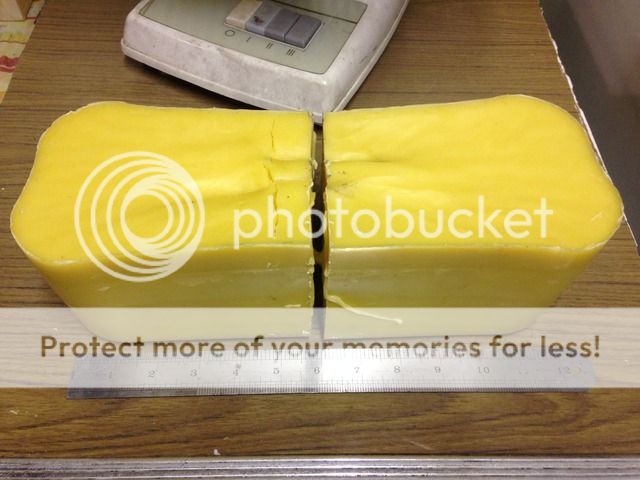

With me being employed in the plastic industry I do have access to a variety of different types of plastic, polypropylene and pvc being the main ones that we use. I have made machinable wax using polypropylene and wax, problem is I cannot remember if the wax blocks that I have are paraffin or microcrystalline, I do think it may be paraffin tho, but cannot be sureRasper wrote:Metal casters in isolated places have to make their own wax. Bee's wax is a one of the important components. They use such other things as rosin and paraffin to make it harder. One of the things used a lot in the modern era is polyethylene, as in plastic bags. Not the crinkly kind but the transparent kind such as Zip Loc bags.
Richard
Thanks Frank,F.C. wrote:Nice score, Mike.... Bees wax is a primary ingredient in making a good workable modeling wax. I have a recipe for a good modeling wax I'll give ya (soon as I can locate it on one of my zip drives). Like Rasper mentioned, it involves paraffin as well. I use a blend of microcrystalline, paraffin and bees wax which has served me well over the years. I'll post the recipe soon as I locate it. You can also make a good modeling clay with it, as well. I'll post that recipe, too, as it's with the other recipe location.

Paraffin has a much coarser structure than microcrystalline wax. That's why it's called micro - - crystalline. (Which never occurred to me until I read it somewhere.) Anyway, you can tell just by breaking it in half and looking at the structure of the break.I cannot remember if the wax blocks that I have are paraffin or microcrystalline, I do think it may be paraffin tho, but cannot be sure
